Clear arrival updates
Useful updates and clear timing once a visit is booked.
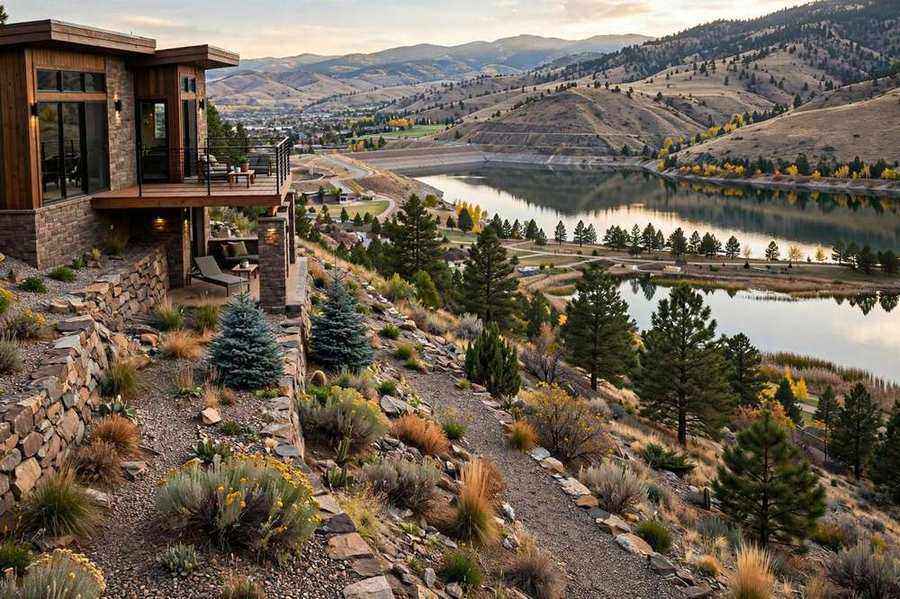
Kendrick Lake is the reservoir neighborhood of south Lakewood. Split-levels and tri-levels from the 1960s and 1970s sit on sloped ground around Kendrick Lake, Main Reservoir, East Reservoir and Smith Reservoir, and the lower level of those houses is where the plumbing story lives: drainage, sump protection and the half-buried rooms that take on water first. Around the reservoirs, xeric landscaping and irrigation add backflow and outdoor-hydrant work no other south neighborhood has in the same combination. We are open 24 hours, every day, at (720) 909-6690.
Useful updates and clear timing once a visit is booked.
Review the approach before deciding, with the work explained in plain terms.
Equipped vehicles and respectful cleanup.
Neighbors serving neighbors with follow-through.
Kendrick Lake developed in the 1960s and 1970s, and the housing is smaller-lot single-family: split-levels, tri-levels and brick ranches on compact lots, with newer properties in communities like Allison Glenn and townhomes and condos in the mix. Homes of the 1960s-70s core typically have copper supply lines, cast-iron or ABS drains, and clay laterals, with an Orangeburg tail risk for the earliest 1960s builds. Split-levels and tri-levels on sloped terrain mean garden-level and lower-level living space, and finished basements are documented in listings here. The defining water feature is not plumbing at all: Kendrick Lake Park circles a 31-acre reservoir with a mile-long trail and the city's largest xeric demonstration garden, and the land was formerly irrigation reservoirs for Lakewood's agricultural industry. Main, East and Smith Reservoirs remain in and around the neighborhood. Lake Lochwood Village, 1974 townhomes on Smith Reservoir, is a subdivision inside this neighborhood, not a separate neighborhood.

Three reservoirs shape the work around Kendrick Lake: the 31-acre Kendrick Lake itself, Main and East Reservoirs, and Smith Reservoir. Split-levels and tri-levels sit half-buried on the slopes around them, so lower-level drainage comes first, sump protection second, and irrigation and backflow work third for the reservoir-side xeric landscaping.
Half-buried lower levels need a pump matched to the inflow, plus a battery backup for the storm that takes the power with it. Homes backing onto reservoir berms sit with a high water table, so around here the sump is not optional.
View service →02The xeric demonstration garden at Kendrick Lake Park is the neighborhood signature, the largest such garden in the city, and the homes around it run irrigation that needs backflow assemblies. We test them each year, file the result with the water provider, and repair or replace any assembly that fails.
View service →03On a sloped lot a camera pass does two jobs at once: it finds roots, breaks, bellies and bad joints, and it shows the grade of the line. A lateral that sags on a slope will keep blocking at the same place, so the grade matters as much as the blockage.
View service →04When drains slow across a split-level, the main line is usually the cause, and the main line is usually a clay lateral with roots at the joints. A snake opens the blockage, then hydro jetting scours the pipe wall clean instead of leaving a hole poked through the clog.
View service →05A burst pipe or a sewer backup in a finished lower level will not wait for business hours, and a lower level can take on water within hours of a hard rain. Call (720) 909-6690 at any hour; the people who answer are the people who do the work.
View service →06In a split-level, a leak can sit inside a half-buried wall or under a lower-level slab, and an irrigation leak can run for weeks outside before the bill shows it. Listening gear, pressure tests and a camera find where the leak starts, so the split-level stays intact while we look.
View service →07A tank that has stopped heating, leaks at the base, or will not hold a pilot gets an on-site diagnosis and a repair where the unit is worth saving. A tank scaled up from years of moderately hard water is often a repair rather than a replacement.
View service →08Copper supply lines in the 1960s-70s core are now past fifty years old, with cast-iron or ABS drains behind them. Where pressure has faded fixture by fixture, replacing the tired supply runs with modern pipe restores the flow.
View service →09Under high-pressure water, grease, scale and roots come off the inside of a drain or sewer line. Afterwards a camera pass proves the line is genuinely clean, which is worth doing on a reservoir-side lot, since a line can look clear at the cleanout and still hold a belly further down.
View service →Start at the downhill side. Split-levels and tri-levels put living space half underground on sloped ground, and the reservoirs hold the water table high, so the lower level and the downhill side come before anything else. Lakewood's adopted standard for the work is the 2021 International Plumbing Code, in Municipal Code Chapter 14.05, with the Colorado Plumbing Code sitting underneath it. A permit is required in Lakewood for replacing a water heater, running a new service line, installing fixtures, gas piping, drain and sewer work, replacing a sewer line, and repiping. Under Resolution R-2025-69, in effect since 1 January 2026, the fees are valuation-based, so the figure depends on the job. To confirm a fee, the Lakewood Permit Counter answers at 303-987-7500. And because water runs downhill, we check that side first on a sloped lot.
On sloped terrain, split-levels and tri-levels leave their lower levels half-buried, and groundwater gathers on the downhill side. With reservoir berms behind the house the water table stays high, so a sump that cannot keep up, or one with no battery backup, fails exactly when the storm cuts the power. The pump and the backup get sized to the inflow the house actually sees.
Kendrick Lake Park's xeric demonstration garden is the neighborhood signature, and the reservoir-side homes around it run irrigation systems that need backflow assemblies. An assembly that fails its annual test needs repair or replacement, and the test result has to be filed with the water provider, which follows the address.
Clay laterals are the norm for homes of this era, with an Orangeburg tail risk on the earliest 1960s builds. Roots get in at the joints, and a camera inspection shows whether the fix is a clearing, a spot repair or a replacement, before any digging starts.
Through Ordinance O-2023-16, Chapter 14.05 of the Lakewood Municipal Code adopts the 2021 IPC, and Chapters 25-33 of the 2021 IRC govern the residential work.
The valuation schedule in Resolution R-2025-69, effective 1 January 2026, sets permit fees by the value of the job. The Lakewood Permit Counter, 303-987-7500, confirms the figure before permitted work starts.
Slope, reservoirs and era arrive together in Kendrick Lake. The split-level form puts living space half underground, the reservoir berms keep the water table high, and the 1960s-70s laterals are at the age where roots find them, so one house can carry all three at once.
In spring snowmelt and summer storms, a half-buried lower level on a sloped lot takes on groundwater. Homes backing onto reservoir berms sit with a high water table, so the sump is not optional, and a failed pump means water on the floor of a finished lower level within hours of a hard rain.
Open joints in clay laterals from the 1960s-70s core let roots in, and the earliest 1960s builds carry an Orangeburg tail risk as well. The camera finds the roots and the joint, then the fix follows what the camera found: a clearing, a spot repair or a replacement.
Backflow assemblies around the xeric landscaping get tested every year, and irrigation is the most common residential trigger for them. A failed assembly needs repair or replacement, and the result has to be filed with the water provider.
Outdoor hydrants and irrigation runs on reservoir-side lots sit exposed to the first freeze, which usually lands between late October and mid-November. A line that froze once will freeze again unless it is drained, insulated or rerouted.
Kendrick Lake is navigated by its water. The 31-acre reservoir and its mile-long trail sit at the center, the other reservoirs ring the neighborhood, and the xeric garden is the landmark everyone knows. We use the reservoirs to place a call before we arrive.
Kendrick Lake Park circles a 31-acre reservoir with a mile-long trail. It is the center of the neighborhood and the reference point for nearly every call here.
The city's largest xeric demonstration garden sits at Kendrick Lake Park, and it is the reason irrigation and backflow work is so common on the reservoir-side lots.
Main, East and Smith Reservoirs remain in and around the neighborhood, survivors of the irrigation reservoirs that once served Lakewood's farms. Homes backing onto their berms sit with a high water table.
Lake Lochwood Village is a subdivision inside the neighborhood, 1974 townhomes on Smith Reservoir. It is not a separate neighborhood.
Allison Glenn is one of the newer communities in the neighborhood, with newer properties beside the 1960s-70s split-level core.
We serve Kendrick Lake around its reservoirs, from the split-level streets to the lakefront homes and the townhome communities on Smith Reservoir. The areas below are the parts of the neighborhood and the nearby south-Lakewood neighborhoods we work in most.
Carmody is the next neighborhood over, pairing 1970s split-levels with a western horse fringe, so its lower-level bathrooms and barn hydrants are a useful comparison for Kendrick Lake's sloped lots.
Lasley is south Lakewood's oldest stock, with a 1940s-50s core of galvanized and clay beside a 2000 White Fence Farm infill, and its lead-line screening is the older counterpart to Kendrick Lake's era.
Thraemoor is the summer-cabins-turned-suburb neighborhood around Ward Reservoir Number 1, with the widest pipe-era mix on one street in Lakewood.
Bear Creek pairs 1960s-70s homes with creekside below-grade work, and its sump and backwater-valve jobs are a close cousin to Kendrick Lake's lower-level drainage.
The jobs below are the patterns that come up most often around the reservoirs, described as typical calls rather than one specific visit. Slope, reservoirs and the 1960s-70s era show up in all three.
When a summer storm hits, a split-level lower level takes on water if the sump cannot keep up, especially when the power goes out with the storm. The usual answer is a pump sized to the inflow, a battery backup, and a discharge run checked so the water does not come straight back to the foundation.
A lateral from the 1960s-70s core can carry roots at several joints, and the earliest 1960s builds carry an Orangeburg tail risk. The camera shows the joints and the damage, the roots are cleared, and whether the answer is a spot repair or a replacement follows what the camera found.
An irrigation system around a xeric-landscaped lot has a backflow assembly that is tested every year, and a failed test means repair or replacement. The work includes the repair and the filing of the test result with the water provider.
Awesome service
Amazing job very impressed
great service
The reservoirs set the calendar here. Spring snowmelt lifts the water table, summer storms test the sump, the fall freeze threatens the irrigation lines, and winter brings the frozen runs.
When snowmelt lifts the water table around the reservoir berms, sump pumps work their hardest, and roots start growing into clay lateral joints. Checking a slow drain by camera in spring catches root intrusion before it backs up the lower level.
Summer storms test lower-level drainage, and irrigation systems run at full volume around the xeric landscaping. The dry ground also makes summer the window for repiping and sewer work.
Between late October and mid-November the first hard freeze usually arrives, and irrigation lines and outdoor hydrants feel it first. Reservoir-side lots catch the wind off the water, which does the exposed runs no favors.
Frozen pipes and water heater failures peak in winter. February 2021 is the reminder of how cold it gets: a high of 1F and a low of -14F on 14 February. A lower level that stays cold is where a pipe freezes first.
Kendrick Lake sits in south Lakewood, and the neighborhoods below are the ones around it. If you are in one of them, the same sloped-lot and reservoir issues usually apply.
A split-level on a sloped lot beside a reservoir is not a standard call. Five questions sort a good plumber from a vague one, and the answers should name the lower level and the slope.
The scope should name the problem, the fix, and what has to come apart, starting at the lower level and the downhill side. If the slope never comes up, the plan is not for this house.
Ask to be shown the failed part, the camera footage or a pressure reading. Around the reservoirs the footage counts most, because the lateral runs down a slope and the lower level hides where it enters.
A lower-level sump or a lateral replacement is the job where the permit question comes up first. Sewer work, gas piping, a service line and a water heater replacement usually need a permit in Lakewood, so ask who pulls it and what it covers.
Clear the way to the fixture, the water heater and the cleanout before the visit. For a split-level it helps to know which level the cleanout sits on, and the shutoff is worth finding first.
After the visit, the same crew answers at (720) 909-6690, day or night. Follow-up questions and new problems go to the people who did the work.
The work here answers to the 2021 International Plumbing Code, adopted by Lakewood under Municipal Code Chapter 14.05, Ordinance O-2023-16, with the Colorado Plumbing Code underneath it. Around the reservoirs the code covers the same lower-level and irrigation work as anywhere in the city.
For the big jobs, a permit is needed, and around Kendrick Lake that usually means a water heater replacement, a service line, gas piping, or sewer and repipe work. Which jobs need one gets confirmed before the work is agreed.
Lakewood's permit fees are valuation-based under Resolution R-2025-69, which took effect 1 January 2026, so no flat figure applies. To confirm the fee for a given job, call the Lakewood Permit Counter at 303-987-7500.
Split-levels and tri-levels built around the reservoirs in the 1960s and 1970s fall under Chapters 25-33 of the 2021 International Residential Code for their residential plumbing work.
Once a year a certified tester tests the testable backflow assemblies, and the results go to the water provider. The xeric landscaping around Kendrick Lake makes irrigation the assembly that comes up most often here.
Denver Water's Lead Reduction Program covers pre-1951 homes. No Lakewood-only lead-line count exists, so screening runs address by address. The 1960s-70s stock around the reservoirs postdates 1951, so the lead check comes up less often here than in the prewar neighborhoods.
Smell gas? Get out of the property first, then call 911 or Xcel Energy before calling a plumber. Do not stay inside to investigate a suspected leak.
The combination: 1960s-70s split-levels and tri-levels on sloped ground around three surviving agricultural reservoirs, with lower-level drainage and sump protection on the sloped lots, plus irrigation and backflow work for the reservoir-side, xeric-landscaped properties. No other south neighborhood has that combination.
Split-levels and tri-levels on sloped terrain have half-buried lower levels, and homes backing onto reservoir berms sit with a high water table. Spring snowmelt and summer storms raise groundwater fast, so a failed sump pump means water on the floor of a finished lower level.
Homes of the 1960s-70s core typically have copper supply lines, cast-iron or ABS drains, and clay laterals, with an Orangeburg tail risk for the earliest 1960s builds. The material is always era-based, never assumed for a single house without checking.
Yes. Irrigation systems are the most common residential trigger for a backflow assembly, and testable assemblies are tested every year by a certified tester, with results filed with the water provider. An assembly that fails its test needs repair or replacement.
No. Lake Lochwood Village is a subdivision inside Kendrick Lake, 1974 townhomes on Smith Reservoir. We serve it as part of Kendrick Lake.
Not seeing your question? Our local team can help you understand urgency, scheduling and what to expect.
Ask the local teamCall (720) 909-6690 any hour. We are open 24 hours, every day, for Kendrick Lake's split-levels and reservoir-side homes.