Open 24 hours
Call any hour, any day — the phone is answered around the clock.
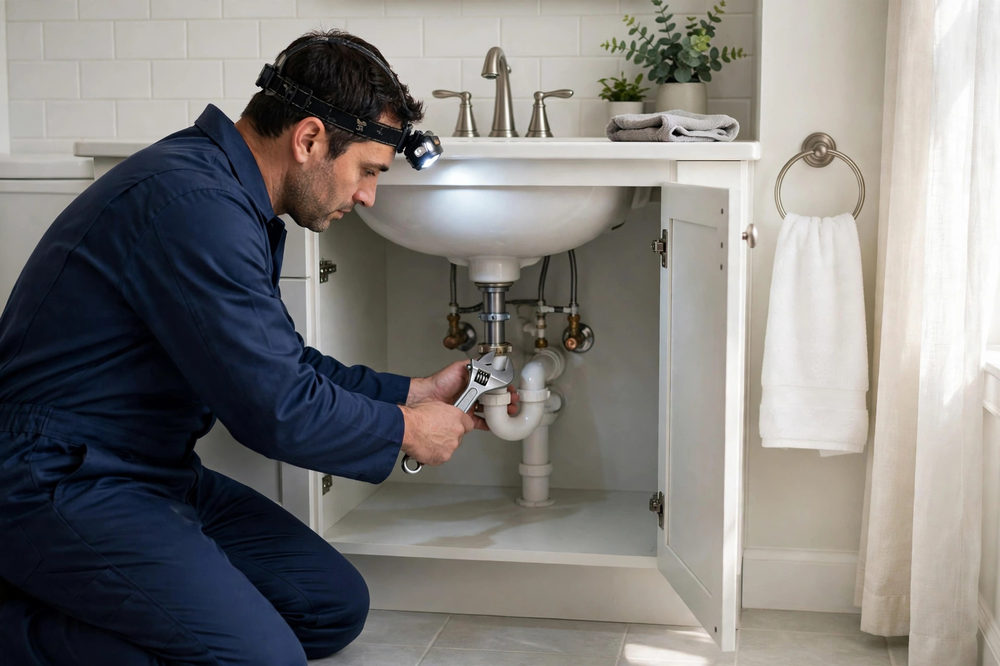
Residential plumbing in Lakewood, CO is the whole of this site: every service we offer for homes, from an emergency call at 2 a.m. to a whole-house repipe planned over weeks. Lakewood's homes were mostly built between the 1940s and the 1970s, and their plumbing is aging together — galvanized supply, cast-iron drains, clay laterals, and fixtures of the same era. This page is the map: every service, every neighborhood, and the honest order in which the work usually happens.
Call any hour, any day — the phone is answered around the clock.
We explain what we found and what the options are before work starts.
Equipped vehicles and a clean job site when we leave.
A Lakewood business at 200 Union Blvd — neighbors serving neighbors.
Twenty service pages, one for each job, each with its own primary focus. Here are the six that Lakewood homeowners call about most — the rest are linked throughout this page.
A burst pipe, a sewage backup, or water on the floor at any hour. See emergency plumbing services — open 24 hours, every day.
Blocked drains, camera inspections, and main-line work. See drain cleaning, sewer camera inspection, and sewer line repair.
Full lateral replacement and no-dig methods. See sewer line replacement and trenchless sewer repair.
Repair, tank replacement, and tankless conversion. See water heater repair, water heater replacement, and tankless water heater installation.
Finding hidden water and replacing failing systems. See leak detection, slab leak repair, and whole house repiping.
Faucets, toilets, showers, sinks, and disposals. See fixture installation and garbage disposal installation.
Call (720) 909-6690 — open 24 hours, every day — and tell us what is happening.
A Lakewood home's plumbing is a system of one era: the pipes, the drains, the fixtures, and the water heater were mostly installed together, and they mostly age together. If you are choosing someone to do that work, our guide on what every Lakewood homeowner should know before hiring a plumber covers licence tiers, contractor registration, permits, written scope, and reviews.
The citywide median year built is 1977, with more than half of homes built before 1980 and 40 percent built between 1960 and 1979. That means galvanized supply pipe and cast-iron drains in most homes, clay tile or Orangeburg laterals under the yard, and fixtures from the same decades — all stressed by the same bentonite clay soil and the same freeze-thaw cycles. The work follows a pattern: a plumbing emergency or a blocked drain is the first call, a camera inspection finds the real condition, and the decision that follows is repair, replacement, or repipe — in that order. This hub exists so that decision is made with the full picture, not one page at a time.
The other half of the picture is the water itself. There is no single provider — Denver Water serves about 60 percent of the city, and Consolidated Mutual, Bancroft-Clover, Green Mountain, Bear Creek, Alameda, Daniels, and a small City utility serve the rest — and hardness, pressure, and lead-line risk all follow the address. A water heater that runs out of hot water and a bill that jumps for no reason are often the first signs of the same slow problems: scale in the heater, a leak under the slab, a lateral filling with roots. Every service page on this site is written for Lakewood conditions, not generic plumbing, and every one links to the pages it depends on.
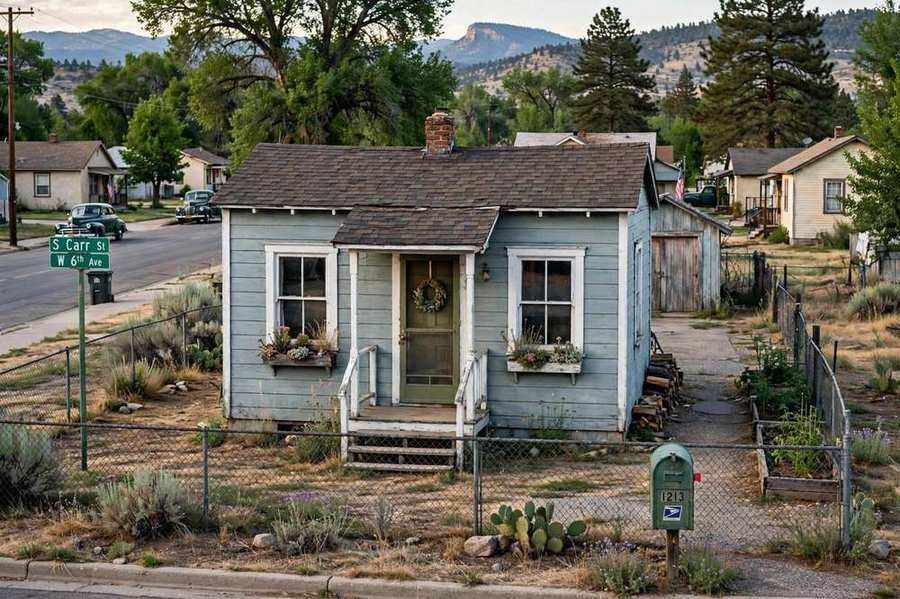
Tell us what is happening — the symptom, the room, and how long it has been going on. The phone is answered around the clock.
A camera, a pressure test, or a meter check finds the cause before any work is proposed. You see the evidence with us.
We explain what we found and what the options are — repair, replacement, or repipe — before work starts.
The job is done to the 2021 International Plumbing Code adopted by Lakewood, permitted where a permit is required, and tested before we leave.
We show you what was done, what to watch, and what the next check should be — and the record of the work stays with you.
The first tool on most jobs — it shows the line's condition before any decision is made.
Acoustic, pressure, and thermal methods that find hidden water before concrete is opened.
High-pressure cleaning that scours a line's walls and prepares it for lining.
Proves every new run holds before walls close, and shows an old system's loss in numbers.
Hardness and provider checks at your address, because treatment starts from your water.
Pressure testing and leak detection on every gas line, before it is used.
That is an emergency call, any hour. See emergency plumbing services — and if the cause is a frozen or burst pipe, see frozen and burst pipe repair.
A recurring clog is a hydro jetting or sewer line repair question, and a climbing bill is a leak detection question. Both start with a camera or a meter, not a guess.
Three leaks in different places mean the system is failing. See slab leak repair and whole house repiping — and sump pump installation if the water is groundwater, not plumbing.
Scale is the slow problem behind both. See water softener installation, water heater repair, and backflow testing for the compliance side of the same water system.
Lakewood is a postwar suburb whose plumbing is aging together, and the neighborhood decides the details. Eiber holds the deepest era stack in the city, from pre-war homes to 1960s infill. Applewood pairs galvanized supply corrosion with Orangeburg laterals under mature trees. Bear Creek's floodplain homes need sump pumps and backwater protection. Grant Ranch's planned community runs on newer PEX and PVC. The 23 neighborhood pages below each carry one distinct angle — the same house, the same era, a different street.
The deepest era stack in Lakewood — pre-war through 1960s-70s infill, where lead lines, galvanized, Orangeburg, and copper all appear.
1950s-60s ranches where galvanized supply corrosion and clay laterals fail together under mature trees.
Creekside floodplain plumbing — sump pumps, backwater valves, and flood-resilient below-grade work.
Foothill-slope drainage, walk-out lower levels, and sump protection on downhill-side fixtures.
A planned community on newer pipe, where the work is maintenance and fixtures rather than system failure.
Expansive soil that shifts with every freeze-thaw cycle, stressing sewer joints and slabs citywide.
Most homes were built between the 1940s and the 1970s, and their galvanized and cast-iron systems are at end of life.
Denver Water, Consolidated Mutual, and the other districts each serve their own addresses.
First freeze late October to mid-November, and the February 2021 cold snap as the reminder of the limit.
Before: a burst pipe floods a basement at night, and the homeowner does not know where the shut-off is.
After: the water is stopped, the failed section is replaced, and the shut-off is shown and labeled for the next time.
Maintenance: Know where your main shut-off is before you need it — it is the single most useful fact in a plumbing emergency.
Before: a drain blocks every few weeks and each clearing buys a month.
After: the camera shows the root mass and the cracked joint, and the decision — repair, lining, or replacement — is made from footage.
Maintenance: A camera inspection is the cheapest part of a sewer job and the part that prevents the most expensive mistake.
Before: a house has three leaks in two years, each in a different room.
After: a whole-house repipe replaces the system, and the pressure at every tap comes back.
Maintenance: One leak is a repair. Three leaks are a system. The pattern is the diagnosis.
Every problem below has its own page, with its own diagnosis and its own answer. This hub is the index — the detail lives on the service pages.
Water on the floor at any hour. See emergency plumbing services and frozen and burst pipe repair.
Recurring clogs, root intrusion, and failed laterals. See drain cleaning, hydro jetting, and sewer line replacement.
No hot water, running out too fast, or a tankless conversion. See water heater repair and tankless water heater installation.
Hidden water, warm floors, and pressure lost at every tap. See leak detection, slab leak repair, and whole house repiping.
New gas lines, fixture replacement, and treatment. See gas line installation, fixture installation, water softener installation, and backflow testing.
Residential plumbing in Lakewood is not generic plumbing with a city name on it. The housing eras, the clay soil, the altitude, and the fragmented water system all change the work — and every page on this site is written for those conditions.
Emergency Plumber Lakewood holds a 5.0-star rating from 9 Google reviews. Homeowners across Lakewood call us when a main line fails, a water heater quits, or a drain will not clear — and the reviews describe the same things we aim for on every visit: a clear explanation of what is wrong, the options before work starts, and a clean job site when we leave. Call (720) 909-6690 — open 24 hours, every day — to talk through what is happening at your home.
Twenty services, each with its own page: emergency plumbing, drain cleaning, sewer repair and replacement, trenchless repair, camera inspection, water heater repair and replacement, tankless installation, leak detection, slab leak repair, repiping, hydro jetting, gas lines, fixtures, sump pumps, backflow testing, water softening, garbage disposals, and frozen and burst pipe repair.
The 23 publishable residential neighborhoods in our service area: Academy Park, Addenbrooke, Applewood, Bear Creek, Belmar Park, Carmody, Creighton, Daniels Gardens, Eiber, Foothills, Glennon Heights, Grant Ranch, Green Mountain, Kendrick Lake, Lasley, Morse Park, NE Lakewood, North Alameda, Rooney Valley, South Alameda, Thraemoor, Two Creeks, and Union Square.
It depends on the work. Permits are required for water-heater replacement, water service lines, fixture installs, gas piping, drain and sewer work, sewer replacement, and repiping. Permit fees are valuation-based, so confirm the fee with the Lakewood Permit Counter at 303-987-7500.
The pattern decides it. One leak in an otherwise sound system is a repair. Three or more leaks in different places, pressure lost at every tap, or rust-colored water mean the system is failing — see our repiping page.
Not seeing your question? Call (720) 909-6690 — open 24 hours, every day — and talk it through with the local team.
Ask the local teamReach us any hour at (720) 909-6690. Tell us what is happening, which neighborhood you are in, and how long it has been going on.