Clear arrival updates
Useful updates and clear timing once a visit is booked.
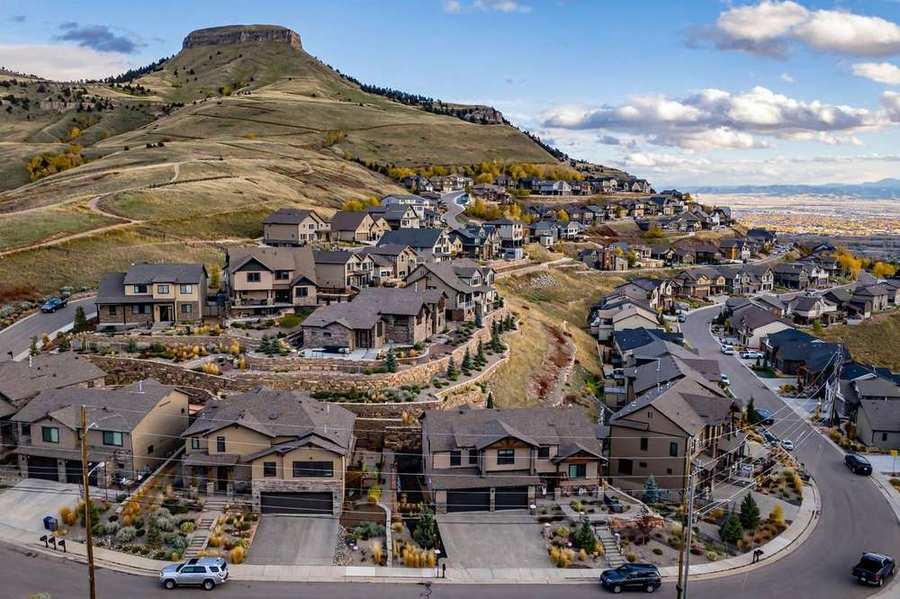
Green Mountain is the high ground of Lakewood, and plumbing up here behaves differently from plumbing on the flat east side. Homes terrace down hilly streets on raised lots, many with walk-out lower levels, and the neighborhood holds the highest service elevations in the city. We work on the 1960s-70s core of copper supply lines and cast-iron and ABS drains, the clay laterals underneath them, and the pressure and freeze exposure that comes with altitude. We are open 24 hours, every day, at (720) 909-6690.
Useful updates and clear timing once a visit is booked.
Review the approach before deciding, with the work explained in plain terms.
Equipped vehicles and respectful cleanup.
Neighbors serving neighbors with follow-through.
Green Mountain developed in the 1960s and 1970s, and the housing runs from modest brick ranches and tri-levels on raised lots terracing down hilly streets closer to the city, to newer, larger homes toward the mountains, with townhomes in the mix as well. Homes of the 1960s-70s core typically have copper supply lines, cast-iron or ABS drains, and clay laterals, while 1980s hillside infill typically has copper or CPVC supply and ABS or PVC drains. The neighborhood wraps around William F. Hayden Green Mountain Park, a 2,400-acre park with a 6,800-foot summit, and Lakewood addresses run from about 5,313 feet in the east to about 6,283 feet on the Green Mountain flank. That elevation is the infrastructure fact here: static pressure and freeze exposure on exposed hillside runs are the specific issues, not pipe age alone. Green Mountain Village, with homes from 1961 to 1972 on lots of 7,500 square feet to half an acre, is a subdivision inside this neighborhood, not a separate neighborhood. Hillside and terraced lots freeze first, so our guide to preparing your plumbing for winter in Green Mountain covers exposed runs, walk-out levels, hose bibbs, and irrigation winterization.

Altitude does the deciding up here. Terraced streets drop one house well below its neighbor, so the calls that dominate are frozen runs, downhill drainage and pressure that shifts from lot to lot, with the 1960s-70s copper and cast iron ageing underneath.
A run tucked into a crawl space or an exterior wall on a high lot is the first to freeze. The thaw happens without a torch, the split length comes out, and new insulation and routing keep the same spot from failing at the next cold snap.
View service →02Because walk-out lower levels face downhill, meltwater and storm water gather there first. A pump matched to the pit, plus a battery backup, handles the inflow the house genuinely sees, and in the clay here that inflow can go on for weeks after the snow melts.
View service →03Before any sewer decision on a slope, a camera pass settles the question: roots, a break, a belly, a shifted joint. What the footage shows decides the fix, so the work fits the fault instead of the guess.
View service →04Leaks on a terrace rarely appear where they begin. A split service line may surface downhill from the house, and a slab leak may travel before it shows. We trace it with listening gear, pressure tests and camera work, rather than opening walls at random.
View service →05The 1960s-70s core typically runs copper supply that is now fifty or sixty years old, with the 1980s infill close behind. When flow fades fixture by fixture, replacing the tired supply runs with modern pipe brings the pressure back across the house.
View service →06At altitude a tank heater works harder than one on the flat east side, and the venting and the sizing have to fit the house and its elevation. The replacement goes in to code, with a permit where Lakewood requires one, and the old tank leaves with us.
View service →07An upper-terrace burst can flood the lower level before anyone spots the water, and a hillside sewer backup does not wait for morning. The line is answered around the clock at (720) 909-6690, every day of the week.
View service →08When drains slow on a terraced lot, the clay lateral below is usually the cause, with roots working into joints that bentonite has shifted. A snake clears the blockage, and hydro jetting scours the pipe wall where a snake alone would only poke a hole.
View service →09High-pressure water strips grease, scale and roots from the inside of a sewer or drain line. A camera pass after the jetting proves the line is genuinely clean, which matters on a slope, where a belly further down can hide behind a clear cleanout.
View service →Look at the lot before touching a wrench. Where a house sits on its terrace decides where water pools, where pipes freeze and what the pressure reads, so the slope and the elevation come first in every visit. Lakewood's adopted standard is the 2021 International Plumbing Code, in Municipal Code Chapter 14.05, with the Colorado Plumbing Code sitting underneath it. A permit is required for water heater replacement, water service lines, fixture installs, gas piping, drain and sewer work, sewer replacement and repiping. Since Resolution R-2025-69 took effect on 1 January 2026, fees follow the valuation schedule, so no flat figure exists to quote; the Permit Counter, on 303-987-7500, confirms the fee for a given job. And because a lateral running down a terraced lot behaves differently from one on flat ground, we check the slope before any sewer work.
Winter stays colder longer on the high ground. Pipes in crawl spaces, exterior walls and unheated lower levels are the ones that freeze, and February 2021 remains the local reminder, with a high of 1F and a low of -14F on 14 February. Insulation, draft sealing and a safe thaw come before the split appears.
From about 5,313 feet in the east to about 6,283 feet on the Green Mountain flank, Lakewood's addresses span the highest service elevations in the city, and static pressure moves with elevation. A house high on a terraced street and one on the downhill side can read very differently, and a regulator that served for decades can start to fail. We measure at the house first, then decide between a regulator, a run of pipe or the supply line itself.
Walk-out basements are a documented feature of the terraced lots, and the downhill side is where water gathers. In saturated clay a sump can keep refilling for weeks after snowmelt, so a pump that cannot keep up, or one with no battery backup, fails at the worst moment. The pump and the backup get sized to the inflow the house actually sees, and the discharge run gets checked so the water does not return to the wall.
Ordinance O-2023-16 put the 2021 IPC into Lakewood Municipal Code Chapter 14.05, and residential work also answers to Chapters 25-33 of the 2021 International Residential Code.
Because the fee follows the valuation schedule in Resolution R-2025-69, the figure depends on the job. The Lakewood Permit Counter on 303-987-7500 is the place to confirm it before work starts.
Three forces meet on a Green Mountain lot: altitude, slope and soil. The 1960s-70s pipe stock is ageing at the same time, so one house can carry a pressure fault, a root fault and a drainage fault that all trace back to the terrace, and the order they appear in depends on the lot, not the calendar.
An exposed run on a hillside lot freezes ahead of a sheltered one. If it bursts on an upper terrace, the lower level floods before anyone notices. Changing the insulation and the routing is the lasting answer, since a pipe that froze once will freeze again in the same place.
Mature trees stand over clay laterals from the 1960s-70s core, and roots get in at the joints. Bentonite soil shifting those joints widens the entry points, so a line that drained fine for years can start blocking at the same joint again and again. The camera finds the joint and the roots before any digging.
Swelling bentonite soils are reported as a local issue here, with basement floor heaving, cracked slabs and shifted sewer joints among the reported effects. A sewer line that keeps blocking at one joint may be moving with the soil rather than simply clogged, and that changes the fix. We present this as a reported local soil issue, not a verified fact about any one parcel.
Through Green Mountain Water and Sanitation District, which buys wholesale from Denver Water, the water averages about 105 mg/L in hardness, around 6.1 grains per gallon, soft to moderately hard. Scale still builds in tanks and tankless units over time, so we flush tanks, descale tankless units and talk through softening where scale keeps returning.
Green Mountain is easy to navigate by its park and its roads. The park wraps the neighborhood, the high school sits near its center, and Rooney Road runs along the eastern edge. We use those three as reference points on the hilly streets.
The 2,400-acre park with its 6,800-foot summit wraps the neighborhood and is the landmark for the whole west side. Homes on the park side sit highest and coldest.
The high school is the central landmark for the neighborhood and the reference point for the streets around it.
Rooney Road runs along the eastern edge of Green Mountain and is the main route in from the east side of Lakewood.
Green Mountain Village is the subdivision inside the neighborhood, with homes from 1961 to 1972. Its raised lots and walk-out space are typical of the terraced streets here.
The district serves the neighborhood with about 18,500 taps across 9 square miles, buying water wholesale from Denver Water. The provider follows the address, so we confirm it per job.
We serve Green Mountain across its terraced streets, from Green Mountain Village to the newer homes toward the mountains, and from the park side to Rooney Road. The areas below are the parts of the neighborhood and the nearby west-side neighborhoods we work in most.
Foothills is the west-side neighborhood where 1960s-70s smaller-lot homes meet rising ground toward Green Mountain Park, and sloped-lot drainage is the distinct issue there.
Rooney Valley is Lakewood's newest neighborhood at the foothills edge, with brand-new PEX and copper homes where the work is freeze protection, irrigation and backflow, not repipes.
Union Square is the condo and HOA neighborhood at the Federal Center Station, where shared drain stacks and common-element plumbing are the work, not single-family repipes.
Bear Creek pairs 1960s-70s homes with creekside below-grade work, and its sump and backwater-valve jobs are a close cousin to Green Mountain's downhill drainage work.
Below are the patterns that come up most often on these terraced streets, described as typical jobs rather than one specific visit. Altitude, slope and soil show up in all three, in different combinations.
On a high terraced lot, a pipe in an exterior wall or crawl space freezes in the first hard cold snap, and the split only shows when it thaws. We thaw the line safely, replace the split section, then insulate and reroute the exposed run so the same place does not freeze again next winter.
A lateral from the 1960s-70s core can carry roots at a joint that bentonite soil has shifted. The camera shows the joint and the roots, the roots are cleared, and whether the answer is a spot repair or a replacement follows what the camera found rather than what the yard suggests.
In spring snowmelt, saturated clay holds water against the foundation of a walk-out basement on the downhill side of a terraced lot. The work is usually a sump pump and battery backup sized to the inflow, with the discharge run checked so the water does not run straight back to the wall.
Amazing company! These guys would put Mario and Luigi to shame. Very detail oriented and thorough with their jobs and surprisingly affordable. Also extremely quick with follow up and responding to messages and phone calls.
Arrived in less than an hour and completed the job in less than two hours for a very good price.
Emergency Plumber Lakewood came through for me when I had a problem with my water. They were easy to work with, explained everything, and got it fixed fast. I'd definitely call them again and recommend them to anyone who needs a plumber. 5 stars!
Winter arrives earlier on the high ground and the spring melt lasts longer in the clay, so the year here runs a few weeks ahead of the east side. Summer is the window for the heavy work, when the terraced lots are dry and accessible.
In the clay, snowmelt saturates the ground and sump pumps can keep refilling for weeks, while roots start growing into clay lateral joints. A slow drain checked by camera in spring catches root intrusion before the lower level backs up.
With the ground workable and the terraced lots accessible, summer is when repiping, sewer work and insulation get done. A water heater flush and a tankless descale fit here too, after a winter of hard use.
Lakewood's first hard freeze usually lands between late October and mid-November, and on the high ground it lands early. Exposed pipes in crawl spaces and exterior walls are the ones at risk, along with outdoor faucets left connected.
In winter, frozen pipes and water heater failures peak, and the February 2021 cold snap remains the reminder of how cold it gets up here: a high of 1F and a low of -14F on 14 February. A tank at altitude works hard through a long winter.
Green Mountain sits on the west side of Lakewood, and the neighborhoods below are the ones around it. If you are in one of them, the same hillside and elevation issues usually apply.
A terraced hillside lot changes the questions. Five of them matter before any work starts, and each answer should name the slope, the terrace and the pipe, not the neighborhood in general.
Get the job described in plain words: the problem, the fix, and what gets opened, moved or dug on a slope. A plan that treats the lot as flat is not a plan for this house.
Ask for proof before the work is agreed. On a terraced lot the camera earns its keep, because the lateral runs downhill and out of sight, and footage shows the joint that actually failed. A pressure reading and the failed part back it up.
Permits follow the valuation schedule here, so ask who pulls the permit and what it covers. A water heater replacement, a service line, gas piping and sewer work usually need one.
Before the visit, clear a path to the fixture, the heater and the cleanout. On a hillside lot it helps to know which side of the house the cleanout sits on, and to have the shutoff already found.
One number reaches the same crew after the visit: (720) 909-6690. A follow-up question or a new problem goes to the people who did the work.
Lakewood's adopted code is the 2021 International Plumbing Code, in Municipal Code Chapter 14.05 under Ordinance O-2023-16, with the Colorado Plumbing Code underneath it. On a terraced lot the code governs the same work as anywhere in the city, and the slope is what makes the application different.
Here the big jobs that need a permit usually mean a water heater replacement, a service line, gas piping, or sewer and repipe work. We confirm which jobs need one before the work is agreed.
Since 1 January 2026, Lakewood permit fees have followed the valuation schedule in Resolution R-2025-69, so no flat figure applies. The Lakewood Permit Counter at 303-987-7500 confirms the fee for a job.
For the 1960s-70s houses and the 1980s infill on these hillside streets, residential plumbing work falls under Chapters 25-33 of the 2021 International Residential Code.
The testable backflow assemblies are tested every year by a certified tester, and the results go to the water provider. Irrigation systems are the most common residential trigger, and for most addresses here the provider to file with is Green Mountain Water and Sanitation District.
Pre-1951 homes fall under Denver Water's Lead Reduction Program, and no Lakewood-only lead-line count exists, so screening runs address by address. Most Green Mountain homes postdate 1951, so the check comes up less often here than in the prewar neighborhoods.
If you smell gas, get out of the property first and call 911 or Xcel Energy, then call a plumber. Never stay inside to investigate a suspected leak.
Because the neighborhood holds the highest service elevations in the city, with Lakewood addresses running from about 5,313 feet in the east to about 6,283 feet on the Green Mountain flank. Static pressure changes with elevation, so a home high on a terraced street can see very different pressure from a home on the downhill side, and a failing pressure regulator can make the difference worse.
Homes of the 1960s-70s core typically have copper supply lines, cast-iron or ABS drains, and clay laterals. Homes from the 1980s hillside infill typically have copper or CPVC supply lines and ABS or PVC drains. The material is always era-based, never assumed for a single house without checking.
Local sources single out Green Mountain for basement floor heaving from swelling bentonite soils, with cracked slabs, shifted sewer joints and leaks where pipes pass through the foundation reported as a local soil issue. We present this as a reported local issue, not a verified geological fact about any one parcel.
Walk-out basements are a documented feature of the terraced lots here, and the downhill side is where water collects. Sump pumps can keep refilling for weeks after snowmelt because saturated clay holds water against foundation walls, so a working pump and a battery backup matter here.
No. Green Mountain Village is a subdivision inside Green Mountain, with homes from 1961 to 1972 on lots of 7,500 square feet to half an acre. We serve it as part of Green Mountain.
Not seeing your question? Our local team can help you understand urgency, scheduling and what to expect.
Ask the local teamCall (720) 909-6690 any hour. We are open 24 hours, every day, for Green Mountain's terraced streets and hillside homes.